Bed Bug Exterminator Winston-Salem NC for Reliable Bed Bug Removal
Bed Bug Exterminator Winston-Salem NC for Reliable Bed Bug Removal
Blog Article
Professional Bed Bug Extermination Programs to Eliminate Problems
Bed bug invasions present significant difficulties for homeowners. DIY methods often prove inadequate, resulting in ongoing issues. Professional exterminators utilize advanced techniques to successfully detect and remove these pests at all life stages. Recognizing the limitations of self-treatment is crucial. Yet, many remain ignorant of what thorough extermination entails. The next steps in addressing such infestations can make all the difference in restoring peace of mind.
The Shortcomings of DIY Options: Why Professional Bed Bug Elimination Is Indispensable
Although many homeowners may attempt to address bed bug invasions on their own, the limitations of DIY solutions often render them unsuccessful. Common approaches, such as using store-bought insecticides or home treatments, frequently fail to tackle the core of the problem. Bed bugs are skilled at hiding in small gaps, making it difficult for untrained individuals to locate and remove all infested areas. Additionally, incorrect use of treatments can contribute to resistance, complicating future elimination efforts.
Moreover, DIY methods often lack the detailed methodologies that trained specialists apply, such as rigorous evaluations and specialized thermal applications. The psychological and fiscal impact of an sustained pest outbreak can further exacerbate the situation, leading homeowners to find more productive answers. Ultimately, turning to professional bed bug extermination services promises a more reliable and long-lasting fix, allowing homeowners to reclaim their personal environments with confidence.
Examine Advanced Techniques Leveraged by Bed Bug Technicians
Professional bed bug pest control specialists utilize a variety of advanced methods to successfully eliminate infestations that DIY methods often overlook. One prominent method is the use of heat treatment, where infested areas are heated to heat levels fatal to bed bugs at all life stages. This approach is particularly successful, as it reaches into furniture and walls where pests may hide.
Moreover, pest management specialists frequently employ integrated pest management (IPM) strategies, integrating chemical treatments with non-chemical approaches. This may consist of the application of insecticides specifically formulated for bed bugs, along with thorough inspections and observation.
Traps and monitoring devices are also utilized to assess the extent of the outbreak and guarantee total eradication. Furthermore, some experts are now implementing advanced methods, such as canine detection units, which use expertly trained dogs to locate bed bug colonies with exceptional precision. These advanced techniques improve the effectiveness of bed bug extermination operations significantly.
What Occurs at Your Bed Bug Extermination Appointment
A routine bed bug treatment session entails a systematic approach to identifying and eliminating infestations. At first, the pest control professional performs a thorough inspection of the location, highlighting frequent areas such as mattresses, bed frames, and items. This assessment assists in establishing the extent of the infestation.
Before concluding the inspection, the exterminator will share the details with the property resident and delineate the intended intervention strategy. This blueprint may include methods such as heat treatment, chemical applications, or a combination of both, depending on the severity of the infestation.
The homeowner will obtain preparation instructions, which may entail clearing personal belongings and maintaining easy access to compromised zones. During the service call, the exterminator will apply the selected solutions meticulously, making certain all areas are addressed. After the service call, a follow-up appointment may be planned to monitor effectiveness and guarantee the successful elimination of bed bugs.
Learning the Financial Outlay of Bed Bug Treatment
Understanding the expenses involved in bed bug extermination can be important for homeowners encountering an infestation. The costs typically fluctuate depending on numerous factors, including the severity of the infestation, the size of the residence, and the pest control approaches utilized. Most professionals present a selection of treatments, from synthetic treatments to hot therapies, each with its own cost range.
Typically, property owners should plan to spend somewhere in the range of $300 and $1,500, based on the magnitude of the issue. Initial assessments could involve extra fees, and ongoing treatments may also increase the overall bill. Several providers provide guarantees, which might sway pricing while offering reassurance. It remains crucial that property owners collect multiple bids and inquire regarding included services to find best value. Understanding these financial elements helps property owners to decide wisely while managing a demanding situation in an effective manner.
Crucial Preparations for Your Home Ahead of Pest Extermination
Prior to initiating bed bug removal, homeowners should take essential measures to prepare their environment effectively. Clearing disorganized spaces, washing linens thoroughly, and eliminating personal belongings are critical steps that can enhance the removal process. Proper preparation not only aids in the efficacy of treatments but also minimizes the chance of bed bugs dispersing during the process.
Remove clutter from areas
Tidying cluttered spaces is an vital step in preparing a home for successful bed bug extermination. Clutter offers numerous hiding spots for bed bugs, making it tough the exterminators’ ability to detect and eradicate infestations. By clearing away unnecessary items from floors, shelves, and under beds, homeowners create a more accessible space for treatment. This process entails sorting through boxes, bags, and other belongings, ensuring that items are either discarded, donated, or stored correctly. In addition, clearing surfaces helps spot possible bed bug habitats, such as furniture seams and cracks. Proper organization not only facilitates extermination efforts but also aids in monitoring after treatment, in the end fostering a more thorough and total eradication of bed bugs.
Wash Bedding Thoroughly
Washing bedding in depth is a required step in readying for bed bug extermination. This approach demands removing all sheets, pillowcases, and blankets from the bed, ensuring that they are washed in hot water. High heat are necessary, as they can efficiently kill both bed bugs and their eggs. After cleaning, items should be dried on a high heat setting for at least 30 minutes to make certain any remaining pests are eradicated. It is also advisable to store clean, bagged bedding in a sealed box to prevent re-infestation. By taking these safety measures, homeowners can help build an environment that supports the extermination efforts, ultimately boosting the effectiveness of professional bed bug treatments.
Extract Your Private Items
Removing private possessions is a necessary step when preparing a home for bed bug extermination. This process not only helps reduce clutter but also allows exterminators to access contaminated areas more effectively. Items such as clothing, toys, and electronics should be diligently removed and stored in airtight plastic bags to prevent any further spread of the pests. It is crucial to keep these items away from treated sections until the extermination process is complete. Additionally, removing private possessions helps homeowners to determine the extent of the infestation and identify any items that may need discarding. By taking these steps, individuals can contribute significantly to the success of bed bug extermination efforts, ensuring a insect-free living environment.
How to Effectively Organize and Prevent Upcoming Bed Bug Problems
To adequately get ready for and avoid upcoming bed bug infestations, regular inspection practices are crucial. Homeowners should implement efficient prevention strategies, such as closing gaps and applying defensive bed coverings. By staying alert and executing these strategies, the risk of re-infestation can be greatly reduced.
Standard Inspection Practices
Frequent inspections are necessary for maintaining a bed bug-free environment, especially since these insects can quickly expand and distribute. Performing thorough assessments in key zones, such as mattresses, bed frames, and upholstered furniture, helps spot preliminary symptoms of infestations. Examining seams, crevices, and folds is vital, as bed bugs often conceal themselves in these locations. Consistent monitoring of luggage and second-hand items is also advisable, as these can introduce new insects. Homeowners should set up a routine inspection schedule, ideally every few months, to detect any potential issues early. Educating residents about the signs of bed bugs, such as small rust-colored spots or shed skins, boosts the effectiveness of these inspections, fostering a proactive approach to pest management.
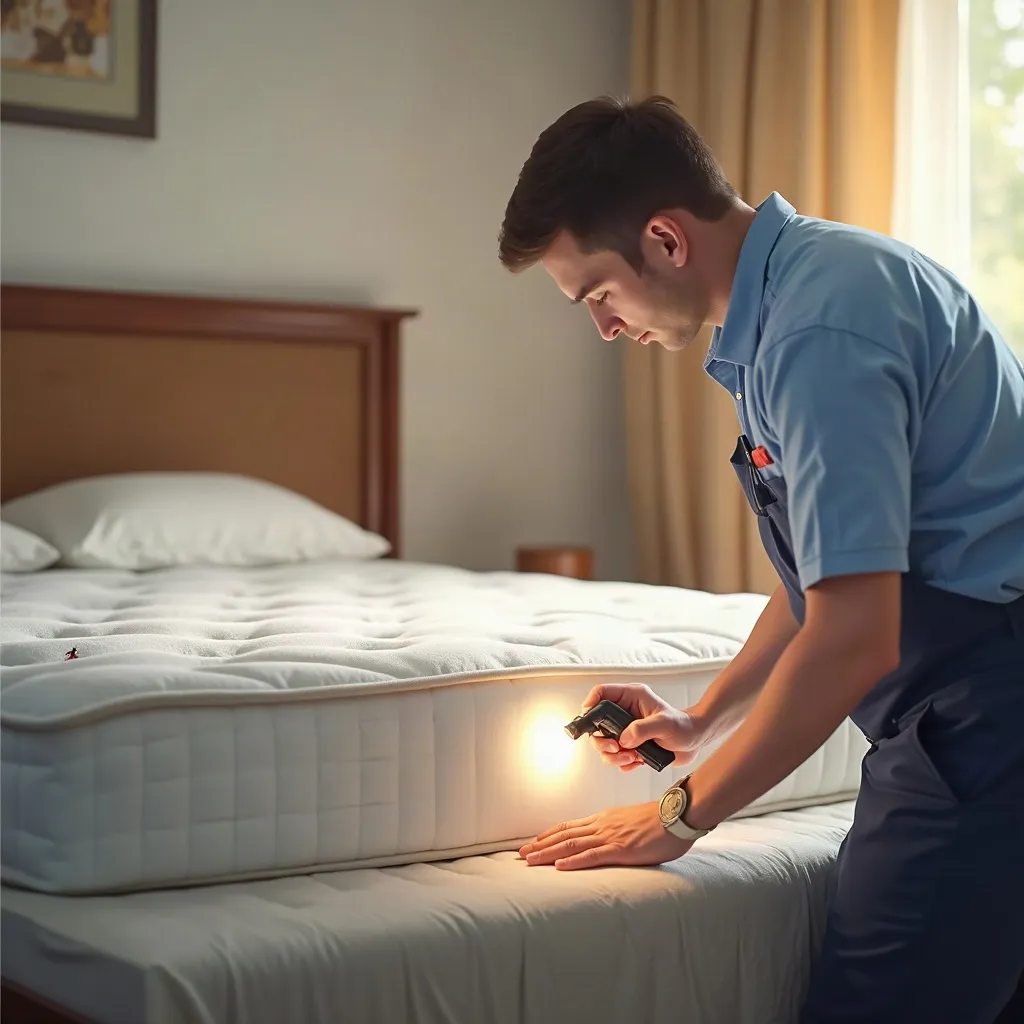
Powerful Preventative Approaches
Putting into practice effective preventive measures is essential in safeguarding homes against bed bug infestations. Homeowners should frequently inspect sleeping areas, concentrating on seams of mattresses and bed frames. Using defensive mattress encasements can also deter bed bugs from taking shelter. When traveling, it's recommended to keep luggage elevated and check hotel rooms for signs of bed bugs before unpacking. Additionally, reducing clutter in living spaces reduces hiding spots. Regular vacuuming, particularly in areas where pets spend time, can help remove potential hitchhikers. Ultimately, maintaining awareness of neighbors' pest issues can prompt proactive measures, as bed bugs can easily travel between units. By implementing these strategies, residents can greatly decrease the likelihood of future infestations.
Proven Approaches to Avoid Upcoming Bed Bug Infestations
Although bed bug infestations can be difficult to eliminate, using established methods can considerably reduce the risk of future occurrences. Frequent checks of living spaces are crucial; residents should check for indicators of bed bugs, such as shed skins or dark spots, particularly in bedrooms and around furniture.
Encasing mattresses and box springs in protective material can keep bed bugs from taking residence. Additionally, minimizing clutter reduces hiding check this spots, enabling detection easier.
During travel, people should check hotel rooms for bed bugs and keep luggage up high and away from beds. Washing and drying clothes on high heat after getting back can eliminate any stowaways.
Ultimately, partnering with expert pest management companies for regular checks guarantees that any possible problems are addressed quickly. By implementing these strategies, people can create an space less conducive to bed bug invasions, fostering long-term tranquility.
Frequently Asked Questions
What Duration Should You Anticipate for a Standard Bed Bug Elimination Treatment?
A common bed bug pest removal typically takes 2-4 hours approximately, contingent on the intensity of the outbreak and the approaches utilized. Follow-up appointments might be needed for complete eradication.
Do Bed Bugs Cause Harm to Animals and People?
Bed bugs are not confirmed to transmit medical conditions to pets or humans, but their bites can bring about discomfort, allergic reactions, and epidermal irritation. Their invasion may foster stress and anxiety for affected individuals.
How Can You Recognize the Evidence of a Bed Bug Presence?
Indicators of a bed bug problem include small, brownish-red bugs, dark spots of feces on bedding, shed skins, and itchy bites on exposed skin. Regular inspections can help detect these indicators early on.
Can Bed Bugs Endure Without a Blood Feeding?
Bed bugs are capable of surviving for extended months without a blood meal, typically lasting approximately two to six months, depending on environmental conditions. Their resilience allows them to sustain themselves through periods without feeding before seeking a host.
What timeframe Should I expect Before Going back Home Following the procedure?
Upon procedure completion, people can usually return home in a few hours. However, it is recommended to allow 24 to 48 hours to assess the success of the treatment and reduce contact to residual chemicals.
Report this page